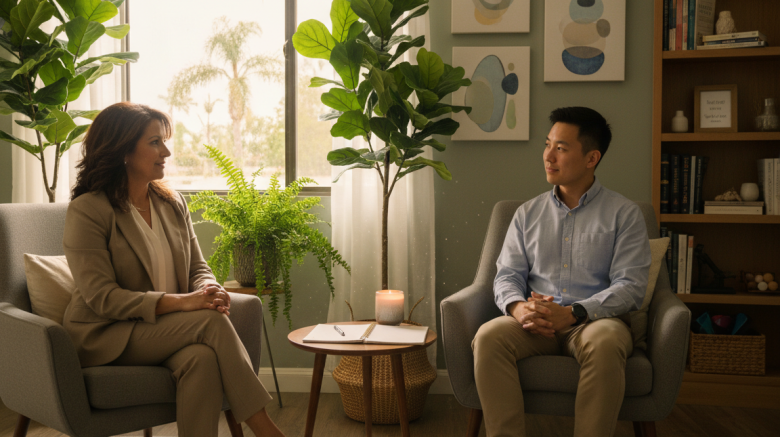
This resource serves as a starting point for those trying to find mental health assistance in San Marcos. It summarizes nearby support options, crisis support lines, and pathways to care in San Marcos and Hays County. It details therapy options, school and university counseling, community training, and affordable support services.
Mental Health Counseling San Marcos
The resource focuses on centers like S.A.G.E. Therapy Center and services at Texas State University and San Marcos CISD. These are places where individuals can find reliable mental health services. The guide prioritizes emotional wellness, easy access, and immediate help, including 24/7 hotlines and virtual care for students.
Whether you are a resident, caregiver, student, or school staff member, this guide gives a useful guide to local support. It aims to help you find assistance quickly and confidently.
Mental Health Support San Marcos
Local communities across San Marcos and Hays County are strengthening their support networks for those in need. The mental health landscape is wide-ranging, featuring school programs, university counseling, community events, and local therapy services. There are also county crisis lines available. Recent gatherings and a youth coalition addressed youth mental health, belonging, and college readiness. Materials from these meetings, held on April 23 and April 26, 2024, will soon be available to the public.
Local Mental Health Landscape Overview
School districts collaborate with organizations for early intervention and counseling. Texas State University makes available counseling for its students. Local clinics and private practices provide therapy and assessments by licensed therapists. The county’s crisis services handle urgent referrals and provide 24/7 phone support.

Who Can Use These Resources
These supports serve a broad audience. Middle and high school students receive help through school-based programs. College students at Texas State can use university counseling and campus crisis services. Families and caregivers receive family-centered referrals. Adults and educators can access ongoing care at community clinics and private practices.
Ways To Access Immediate Help
When help is needed quickly, call the local 24/7 crisis hotline at 1.877.466.0660. National options include calling or texting 988 and dialing 1.800.273.8255 (TALK). Visit 988lifeline.org for online resources.
Fast assistance is also available for school-related issues. San Marcos Unified School District suggests texting SMUSD to 741741 for a wellness advocate. For emergencies, call 988. Programs like Let’s Face It. Together. and Care Solace support quick connections to care, ensuring confidentiality and providing free, private, and individualized services.
| Resource Type | Who It Serves | How To Access |
|---|---|---|
| School support programs | Middle and high school students, educators | Connect through school counselors or text SMUSD to 741741 |
| Campus counseling services | Students at Texas State University | Counseling center intake and campus crisis support |
| Local clinics and private therapy practices | Adults, families, youth | Direct appointment with licensed therapists; referrals |
| County crisis hotline | Residents across San Marcos and Hays County | Use 1.877.466.0660 for immediate assistance |
| Nationwide crisis supports | Anyone in crisis | Call/text 988 or phone 1.800.273.8255 (TALK) |
Therapy Services And Licensed Therapists In San Marcos
San Marcos boasts a strong mix of therapy services for its residents, students, and families. Local clinics, university counseling centers, and community programs provide support. This guide explains the types of care available, how clinics operate, and where to find licensed therapists when needed.
Types of therapy available locally
One-on-one counseling includes one-on-one sessions for addressing anxiety, depression, trauma, and life changes. Family-focused therapy focuses on repairing communication and relationships among parents, children, or partners. Group therapy provides peer support, led by a trained facilitator, on managing mood and coping skills.
Trauma-informed care is prevalent in outpatient clinics and school-linked programs. Many treatment plans include suicide prevention interventions and crisis planning. College students can use counseling tailored to academic stress and adjustment issues.
Public trainings like ASIST and Mental Health First Aid enhance clinical care. These trainings improve referral pathways and equip individuals to recognize and respond to mental health warning signs.
S.A.G.E. Therapy Center overview
S.A.G.E. Therapy Center in San Marcos is a notable support point for outpatient counseling and emotional wellness support. It provides evidence-based therapy services by licensed therapists experienced in various areas, including anxiety, depression, trauma, and family systems.
The center collaborates with schools and community partners to streamline referrals. Residents often reach out to the center for assessments, group programs, or short-term counseling while exploring longer-term options.
Finding licensed therapists near you
Start by exploring university and school counseling centers, which list on-campus resources and partner providers. Texas State University students can access virtual support through TimelyCare without insurance. San Marcos Unified School District supports referrals through Care Solace for quick placements.
Web-based directories list licensed therapists by specialty, insurance, and telehealth availability. Community flyers and youth coalition materials often share local provider lists when new programs start. Searching “mental health services near me” will reveal clinics, crisis contacts, and school-linked options in San Marcos.
| Care Option | Who It Helps | Typical Provider | How To Connect |
|---|---|---|---|
| Personal Counseling | Adults, teens with anxiety or depression | Licensed therapists, counselors, and psychologists | Call the clinic directly or book online |
| Family Therapy | Families, caregivers, couples | Licensed marriage and family therapists | Referral from school or community program |
| Peer Support Therapy | People seeking peer support | Clinically trained group leaders | Clinic schedules and community calendars |
| Trauma-Informed Care | People affected by violence or complex trauma | Trauma-trained clinicians | Specialty intake through clinics and programs |
| School And Student Counseling | College and K–12 students | Campus counselors and school counseling staff | Campus portals, TimelyCare, school referrals |
| Crisis Support And Suicide Prevention | Anyone facing urgent suicide or safety risk | Crisis responders and trained clinicians | Emergency hotlines and urgent walk-in services |
School And University Counseling Support
Across San Marcos, students and young adults have access to meaningful counseling support in both K–12 and higher education settings. These initiatives aim to decrease stigma, expedite referrals, and provide confidential assistance for issues like anxiety, depression, and academic stress. They also address family instability and stress caused by the pandemic.
San Marcos Unified School District mental health initiatives
SMUSD works with the City of San Marcos on the “Let’s Face It. Together.” campaign. This partnership guides students, parents, teachers, and administrators to vital resources and wellness advocates. Students can text SMUSD to 741741 for immediate support from a wellness advocate. Staff and students can also use Care Solace to find and book care services.
The district understands common challenges faced by students, including social pressure, relationship problems, and mood disorders. The district provides free, confidential, and personalized counseling support to help overcome these barriers.
Texas State University mental health supports
Texas State’s student counseling center delivers counseling, crisis response, and specialized services for sexual and dating violence to all enrolled students. Appointments can be made by phone at 512-245-2208 or online.
Minds Matter serves as the central hub for mental health resources and FAQs on campus. Students can access TimelyCare, a virtual health platform, 24/7. It requires netID registration but no insurance, available during academic breaks and after hours.
Campus Recreation provides wellness programs like a Meditation Room and various fitness activities. These initiatives strengthen student mental health by promoting regular activities, movement, and stress reduction.
Community Events, Training, And Youth Programs
San Marcos features a strong mix of community events that link residents to vital services and peer networks. These events highlight the importance of youth voices, share essential resources, and help shape local priorities for mental health and well-being.
Community Meetings And Youth Coalition Findings
The Youth Coalition held public meetings on April 23 and April 26, 2024. These meetings addressed youth mental health, sense of belonging, and college and career readiness. Soon, the PowerPoint, final report, and infographic will be available for review.
These insights are expected to shape the development of youth programs in San Marcos. Community members and service providers reviewed actionable steps for schools, nonprofits, and health centers.
Local Wellness Events And Conferences
Vibrant Visions 2024 aims to educate, raise awareness, and provide local resource tables. It targets families, teens, and young adults, aiming to reduce stigma and connect them to care options.
The Health Habits Youth Conference is led by the Youth Task Force of the Core Four Partnership. It offers leadership development and civic engagement for 8th graders and high school students, reinforcing skills taught in other youth programs.
Training Opportunities For The Public
Available public trainings include Mental Health First Aid and Applied Suicide Intervention Skills Training (ASIST). These courses, provided by the MHFA Hill Country MHDDC Team, teach participants to recognize signs of distress and offer initial support.
Registrations are offered through local flyers and community partners. Trained community members increase local capacity to respond to crises and refer individuals to professional care when necessary.
Community Campaigns
The local Kindness Campaign seeks to promote everyday acts that strengthen social connections and promote wellness. It offers a Kindness Campaign Kit for schools, businesses, and neighborhood groups to adopt locally.
Regular community programs, public trainings, and campaign toolkits create a network of informed, caring neighbors. This ecosystem serves young people, families, and providers as they navigate mental health needs and opportunities.
| Community Activity | Intended Audience | Key Advantage |
|---|---|---|
| Youth Coalition public meetings | Youth, families, providers | Community feedback and youth-program direction |
| Vibrant Visions – Mental Health and Wellness Fest | All ages, focus on youth | Access to resources, public awareness, reduced stigma |
| Health Habits Youth Conference | Eighth-grade and high school students | Youth leadership skills and civic involvement |
| Mental Health First Aid and ASIST trainings | Local community members and service providers | Training to notice distress and respond appropriately |
| Kindness Campaign toolkit sharing | Community groups, businesses, and schools | Resources to build connection and wellness |
Apps, Self-Help Resources, And 24/7 Supports
Students and local residents can access a variety of self-help resources and live services for immediate relief and ongoing care. Below, you’ll find practical tools, crisis contacts, and virtual counseling options that cater to busy schedules and diverse needs.
Suggested Apps And Websites
Consider starting with curated lists that sort self-help resources by topic and platform. Texas State’s Minds Matter site provides guides, FAQs, and links to mental health apps. These apps assist with mood tracking, guided breathing, and cognitive skills.
Apps like Headspace and Calm provide meditation and sleep tools. Moodfit and DBT Coach offer exercises and tracking for skill-building. Before downloading, use app store filters to check reviews and privacy details.
Crisis Hotlines And Around-The-Clock Support
When urgent help is needed, crisis hotlines are highly useful. San Marcos and Hays County operate a 24/7 crisis line at 1.877.466.0660. Williamson County’s Round Rock line is 1.800.841.1255.
National options include calling or texting 988 for urgent support. Call 1.800.273.8255 (TALK) for the national suicide prevention lifeline. Visit 988lifeline.org for more contact choices and chat options.
Virtual Counseling Options For Students
TimelyCare offers Texas State students 24/7 support through virtual visits for mental health and well-being. Registration requires a Texas State netID. No insurance is needed, and services are available at no extra cost.
The Campus Counseling Center offers in-person and telehealth appointments. Call 512-245-2208 for triage and referrals.
| Support Resource | Type | When to use |
|---|---|---|
| Texas State’s Minds Matter resource | Digital information center | Finding self-help resources and local supports |
| TimelyCare | 24/7 virtual counseling | Quick student access outside normal office times |
| 988 crisis support | Urgent mental health hotline | When immediate crisis support is needed |
| Local San Marcos / Hays County support line | Community crisis support line | Urgent local support and care navigation |
| Headspace, Calm, Moodfit, and similar apps | wellness and mental health apps | Everyday stress relief, sleep support, and coping practice |
Mental Health Treatment Options And Referral Pathways
San Marcos offers a broad range of local care options to cater to diverse needs. Outpatient therapy is available at private clinics like S.A.G.E. Therapy Center. School-based counseling is offered in San Marcos Unified School District. Texas State University provides university services. Community groups and festivals help connect people to resources, and crisis hotlines are available for emergencies. This array of mental health treatment options forms a robust safety net for residents.
Local Levels Of Care Available
Outpatient therapy offers regular sessions with licensed clinicians for ongoing support. School counselors and campus clinics offer short-term counseling and referrals for students. Community-led groups, peer supports, and public trainings like ASIST and Mental Health First Aid aid in early identification and guided referrals.
For urgent situations, crisis hotlines and emergency services allow immediate access to clinicians or mobile crisis teams. Each level of care is matched to the urgency and intensity of the situation, ensuring the right path is chosen.
Ways To Get Connected To Care
Families connected to schools can use SMUSD referral pathways through district programs and partners like Care Solace for expedited scheduling. Texas State students have access to TimelyCare, Minds Matter, and the Counseling Center for on-campus or telehealth appointments.
Community members should attend public meetings, review posted provider lists, or call local hotlines to discover available options. For crisis-level needs, national or local hotlines can connect callers to emergency care or immediate referrals.
Free Options, Insurance, And Cost Details
TimelyCare is available at no cost to Texas State students and does not require insurance. SMUSD programs and district-linked services via Care Solace are free and confidential for eligible families. Other local providers accept private insurance, Medi-Cal, or offer sliding-scale fees based on income.
Calling a clinic directly, such as S.A.G.E. Therapy Center, or using referral pathways through Care Solace can explain insurance and cost details before scheduling care.
| Service Type | Examples in San Marcos | Common Cost | How to Access |
|---|---|---|---|
| Outpatient Therapy | S.A.G.E. Therapy Center plus private LPC and LMFT providers | Insurance accepted; sliding scale available | Contact the clinic or follow referral pathways |
| Counseling Through Schools | Counselors within San Marcos Unified School District | Free through school supports | Ask school staff or administration for support |
| College Student Counseling | Texas State University Counseling Center and TimelyCare | TimelyCare free for students; Counseling Center included in student fees | Use student systems or campus health resources |
| Local Groups And Public Trainings | Community-led groups plus ASIST and MHFA trainings | Often free or low-cost | Local calendars and public meetings |
| Emergency Mental Health Support | Crisis lines, emergency responders, and mobile teams | No cost for urgent immediate help | Call hotlines or 911 |
Mental Health Resources For Families And Youth
The San Marcos area includes various local options for parents and teens seeking support. These services include school-based programs, nonprofit assistance, and youth-led groups. They work to improve youth mental health effectively.
Parent And Caregiver Resources
SMUSD makes available Let’s Face It. Together., connecting families with counseling and community support. It ensures confidentiality. Care Solace helps by matching families with licensed providers and arranging appointments promptly.
School counselors and staff act as first points of contact for referrals. District materials and reports share local clinics, sliding-scale counselors, and telehealth options. These resources are designed to lower barriers for busy families.
Youth-Led Supports And Engagement Opportunities
Youth leaders run conferences and peer programs, boosting youth engagement. The Youth Task Force and Youth Coalition within Core Four Partnership support events like Live Your Best Life: Health Habits Youth Conference.
Texas State University offers over 400 student organizations. Student Involvement guides students to clubs like the Non-Traditional Student Organization and Student Volunteer Connects. These clubs build peer networks, supporting youth mental health through activities and mutual support.
When To Seek Professional Help
Watch for persistent anxiety, long-term low mood, sudden behavior changes, or trouble with school and family roles. Thoughts of self-harm, threats, or escalating conflict at home require urgent action.
During urgent crises, call 988 or use local crisis lines. For non-emergency wellness advocacy, SMUSD supports text-based help at 741741. Parents and caregivers should trust their instincts and seek help early to prevent symptoms from worsening.
Final Thoughts
San Marcos boasts a robust network of mental health services. It includes school and university counseling, private therapy, community programs, and 24/7 crisis support. Residents can access various resources like the Texas State Counseling Center and the San Marcos Unified School District’s initiatives. They also have options like S.A.G.E. Therapy Center and tools like Minds Matter and Care Solace for care navigation.
For fast mental health support, local crisis lines (1.877.466.0660) and the national 988 number are available. Texas State students can register for TimelyCare and reach out to the Counseling Center at 512-245-2208. SMUSD families can engage with Let’s Face It. Together. and text SMUSD to 741741 for support. These steps support quick access to emotional wellness services in the community.
Community involvement is important to strengthening this network. Attend Vibrant Visions events, participate in trainings like Mental Health First Aid and ASIST, and review community meeting materials. By focusing on personal care, community education, and clear referral paths, San Marcos creates a practical, accessible mental health system. This system supports emotional wellness and connects individuals to therapy services when needed.